A banana cage is an implant used in TLIF surgery to support and stabilize the sp...See More
Sep 28, 2026
Advanced Endoscopic Spine Surgery now available with Dr. V. Sai Charan in Hyderabad for faster recovery and lasting relief.
Message from the Doctor
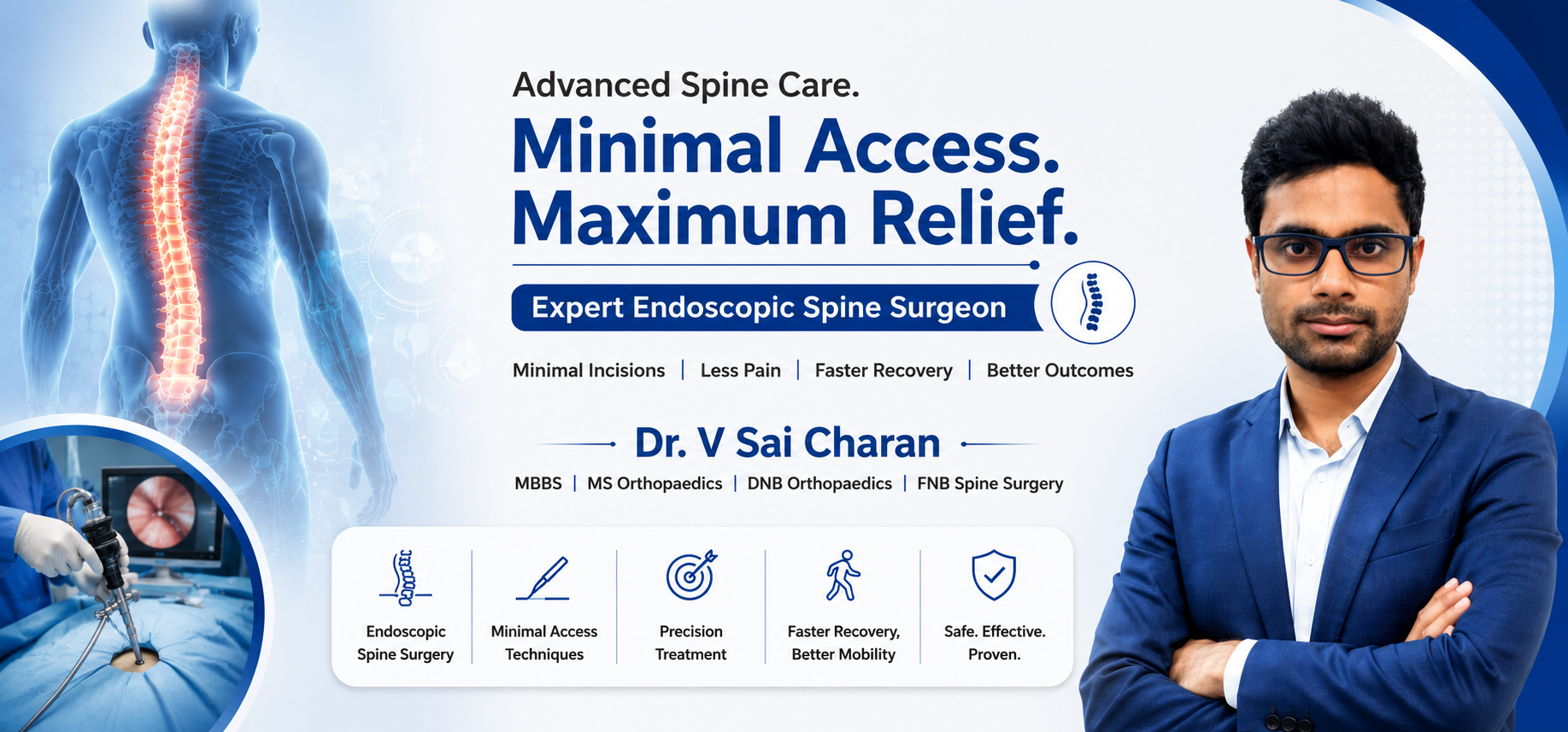
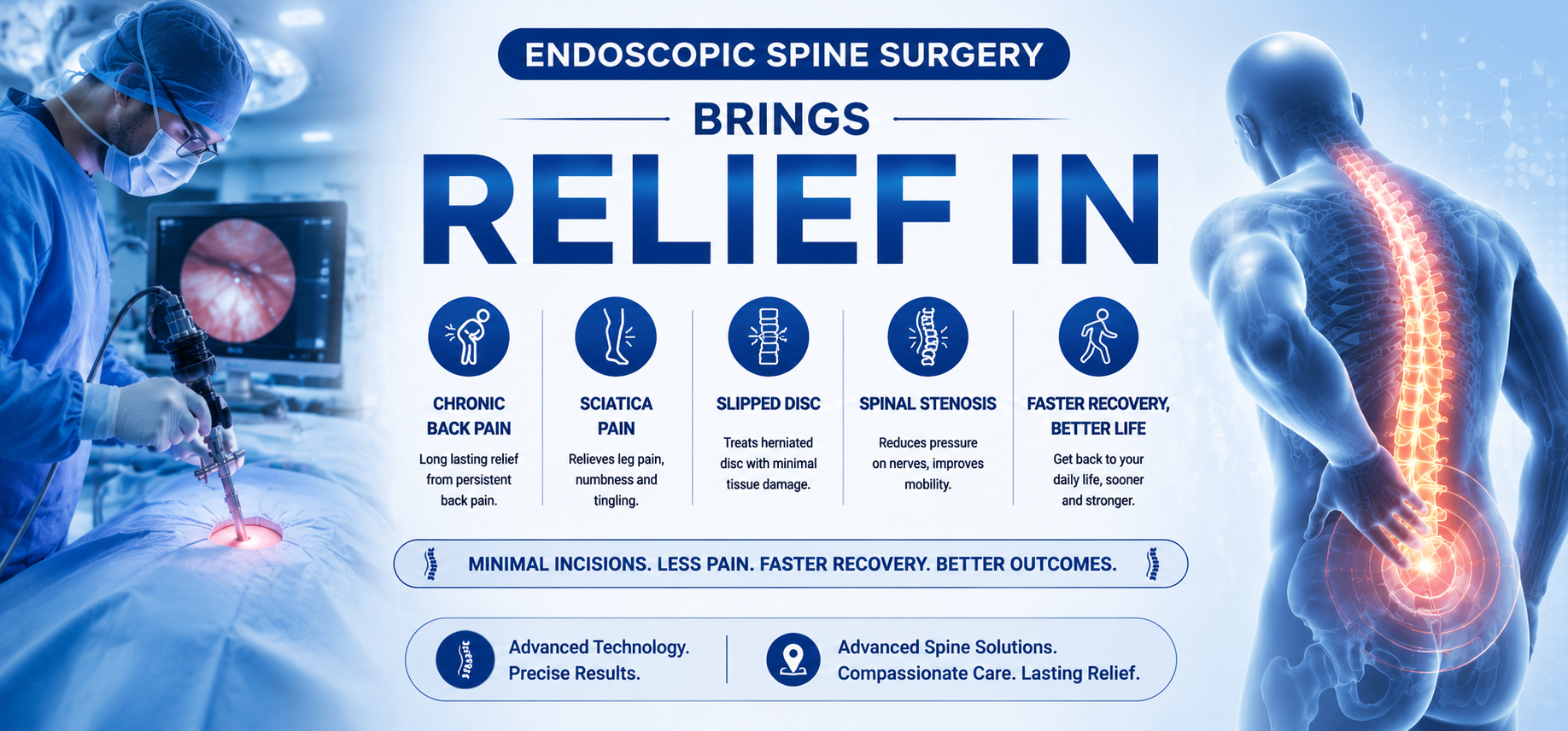
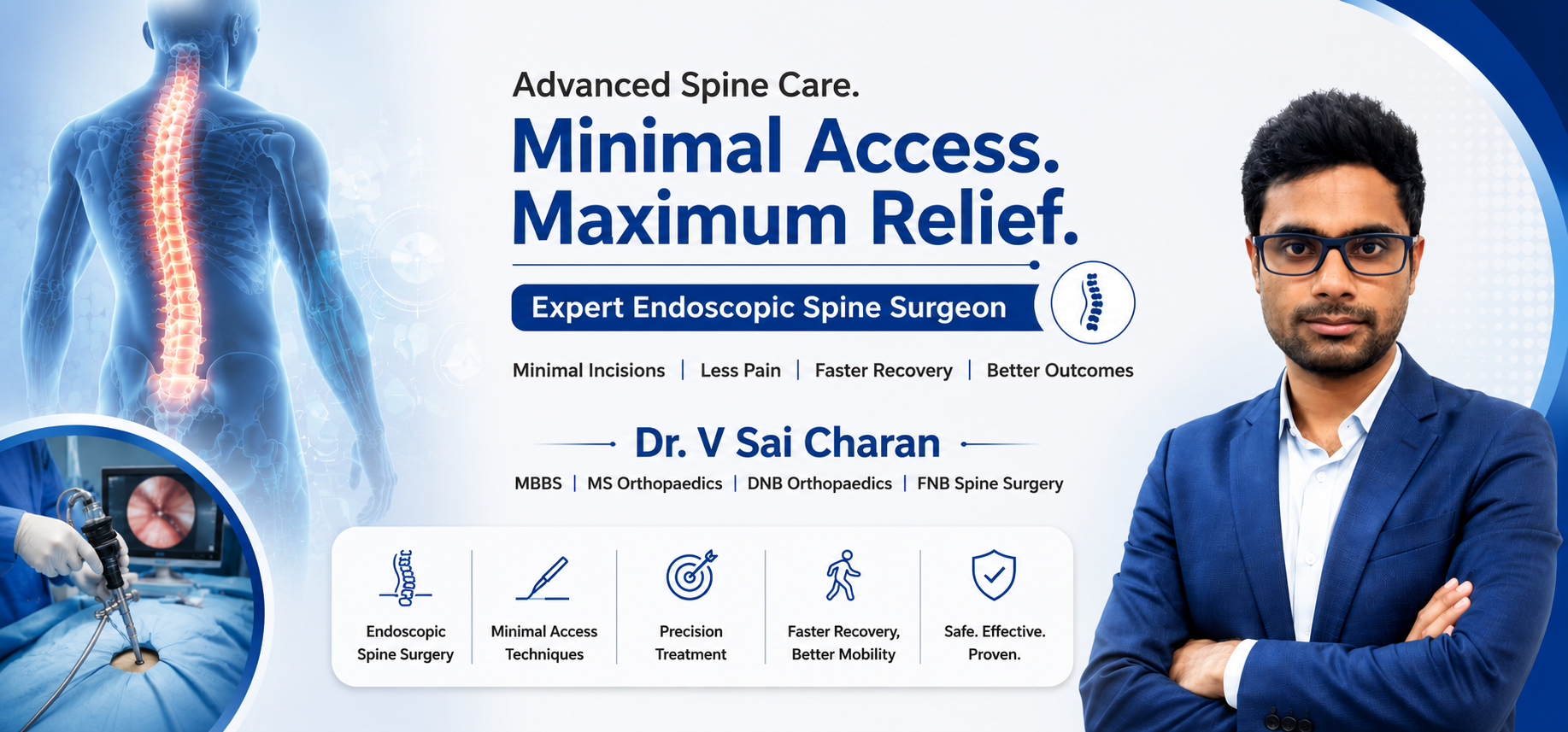
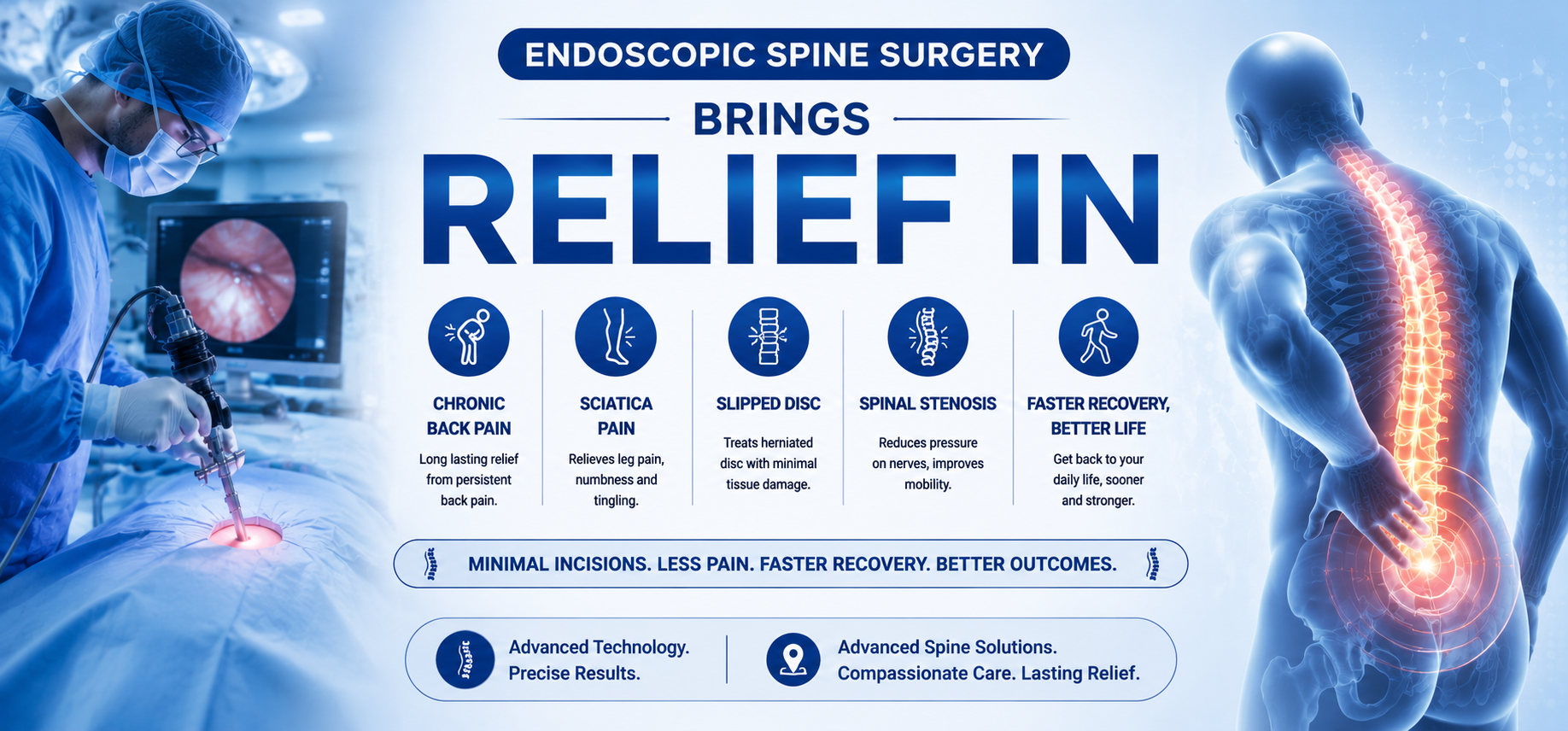
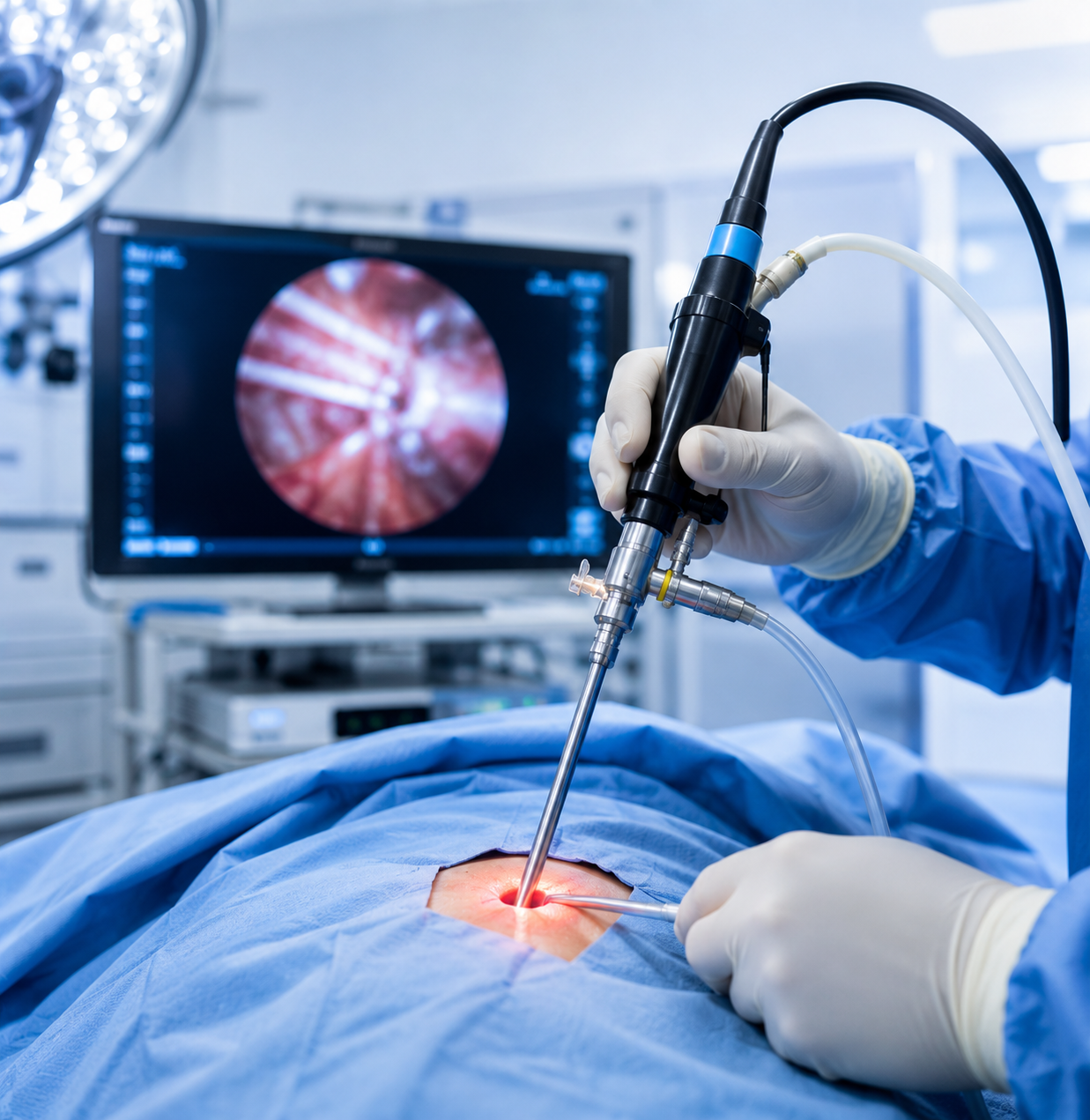
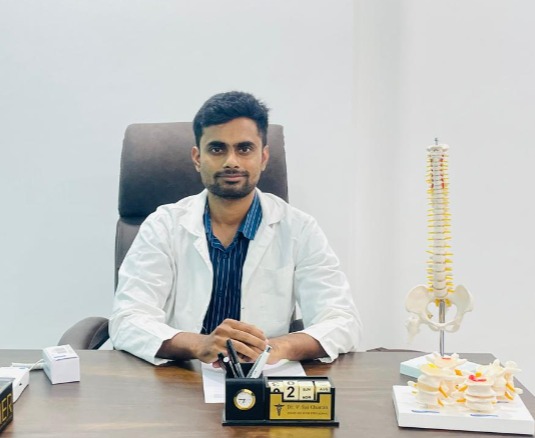
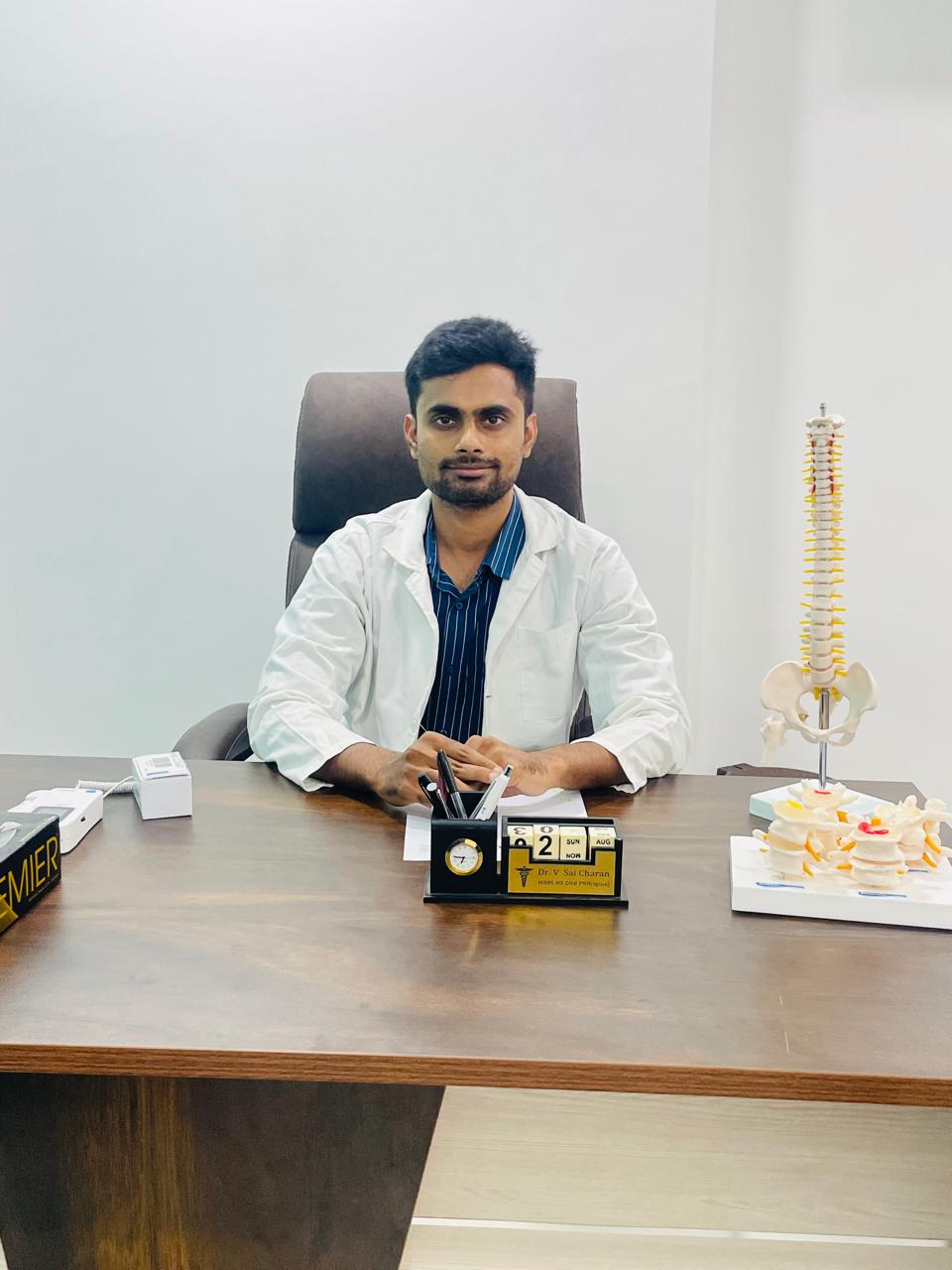
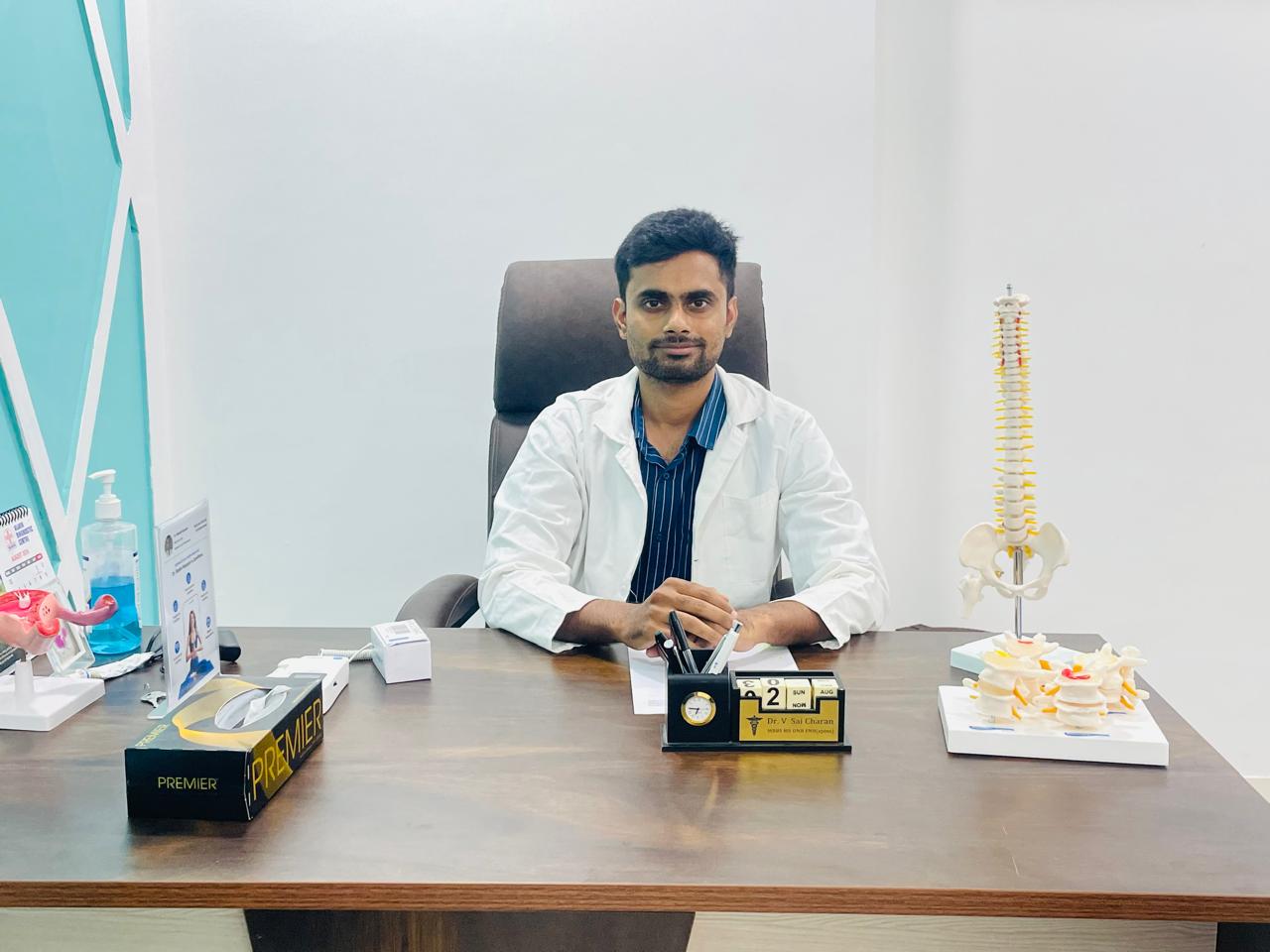
As an Endoscopic Spine Surgeon, my goal is to help patients regain mobility, relieve pain, and return to their daily lives with the least possible disruption. Advances in endoscopic spine surgery have transformed the way we treat spinal disorders, allowing us to address conditions through smaller incisions, reduced tissue damage, less post-operative pain, and faster recovery times.
I believe that every spine condition is unique and deserves an individualized treatment approach. My focus is not only on surgical precision but also on understanding each patient's concerns, lifestyle, and expectations to provide the most appropriate and effective care.
By combining advanced minimally invasive techniques with evidence-based practices and modern surgical technology, I strive to deliver safe procedures, excellent outcomes, and compassionate care. My commitment is to restore function, improve quality of life, and help my patients move forward with confidence and comfort.
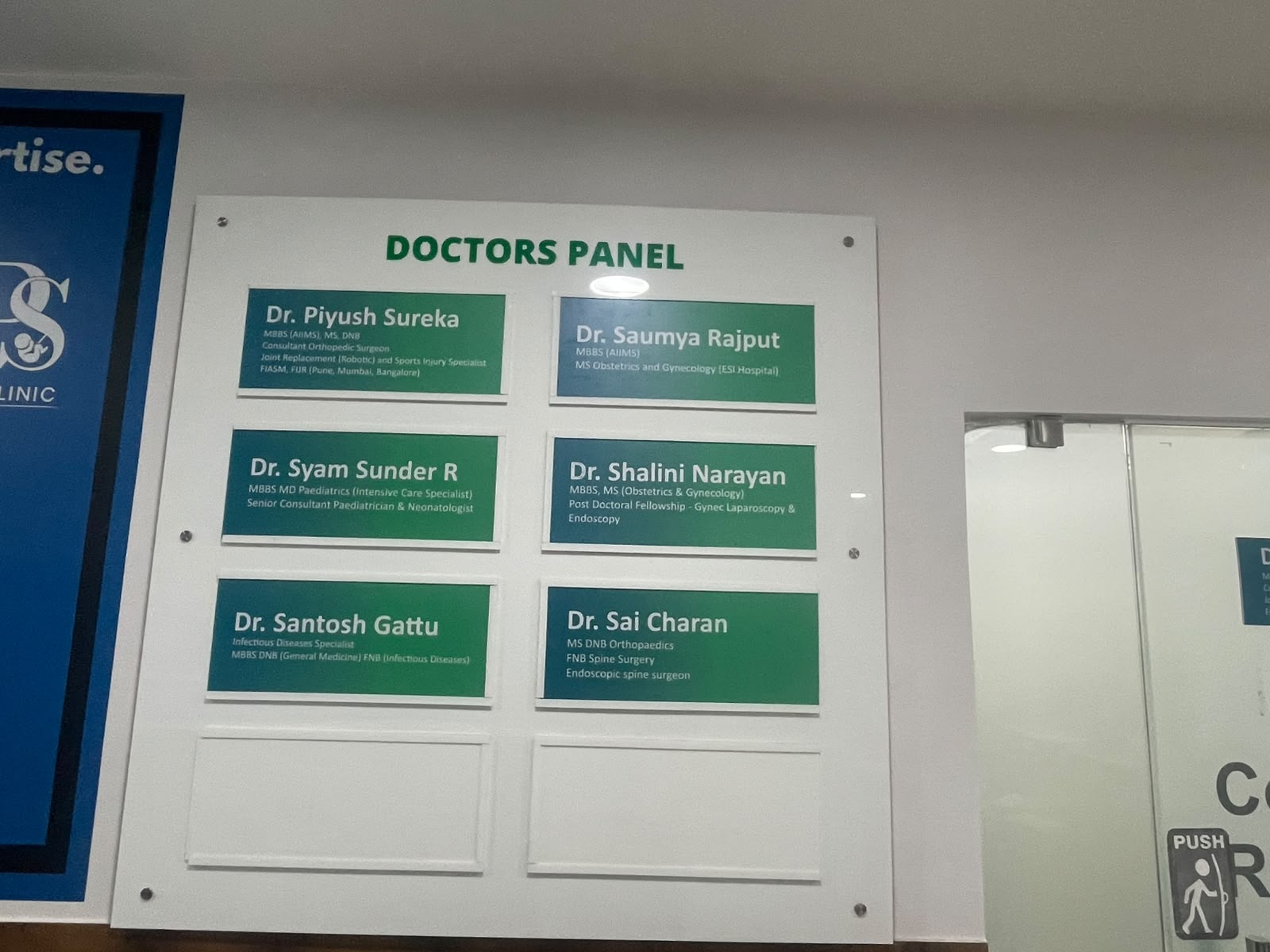
MBBS, MS Orthopaedics, DNB Orthopaedics, FNB Spine Surgery
Endoscopic Spine Surgeon
Years of Dedicated Experience as Orthopedic Spine Surgeon
Minimally Invasive Spine Surgeries Performed
Happy Healthy Patients




Spine & Orthopedic Surgical Excellence
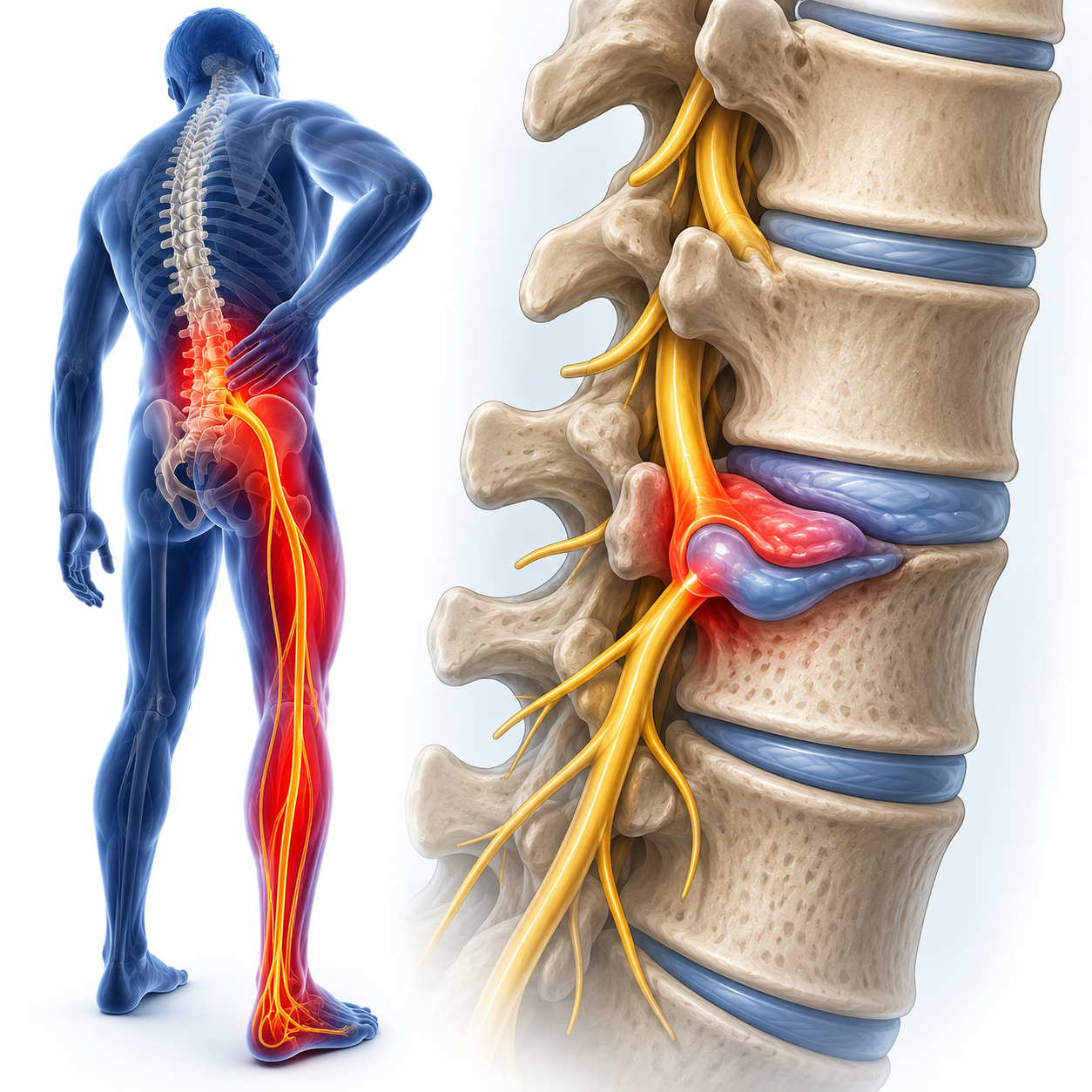
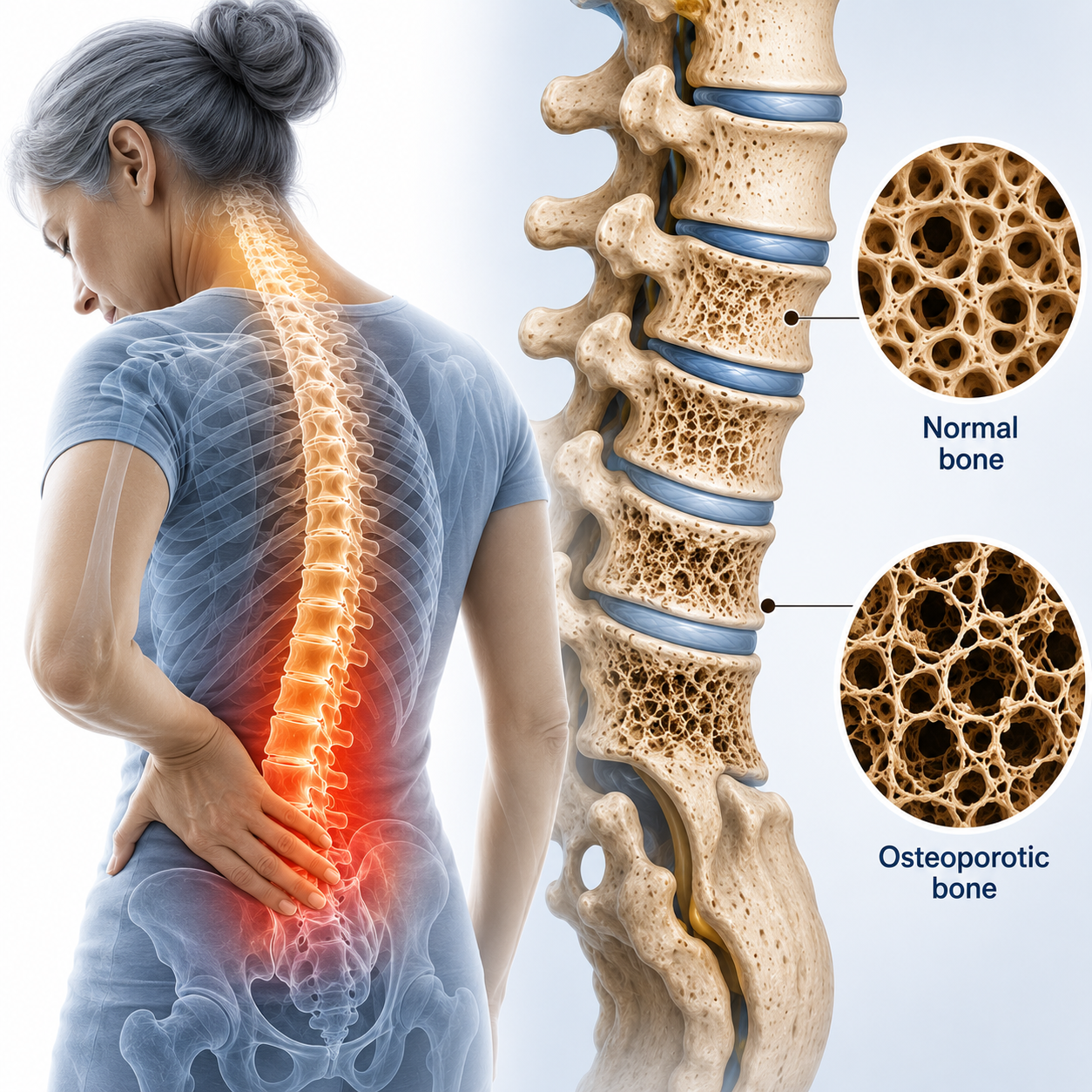
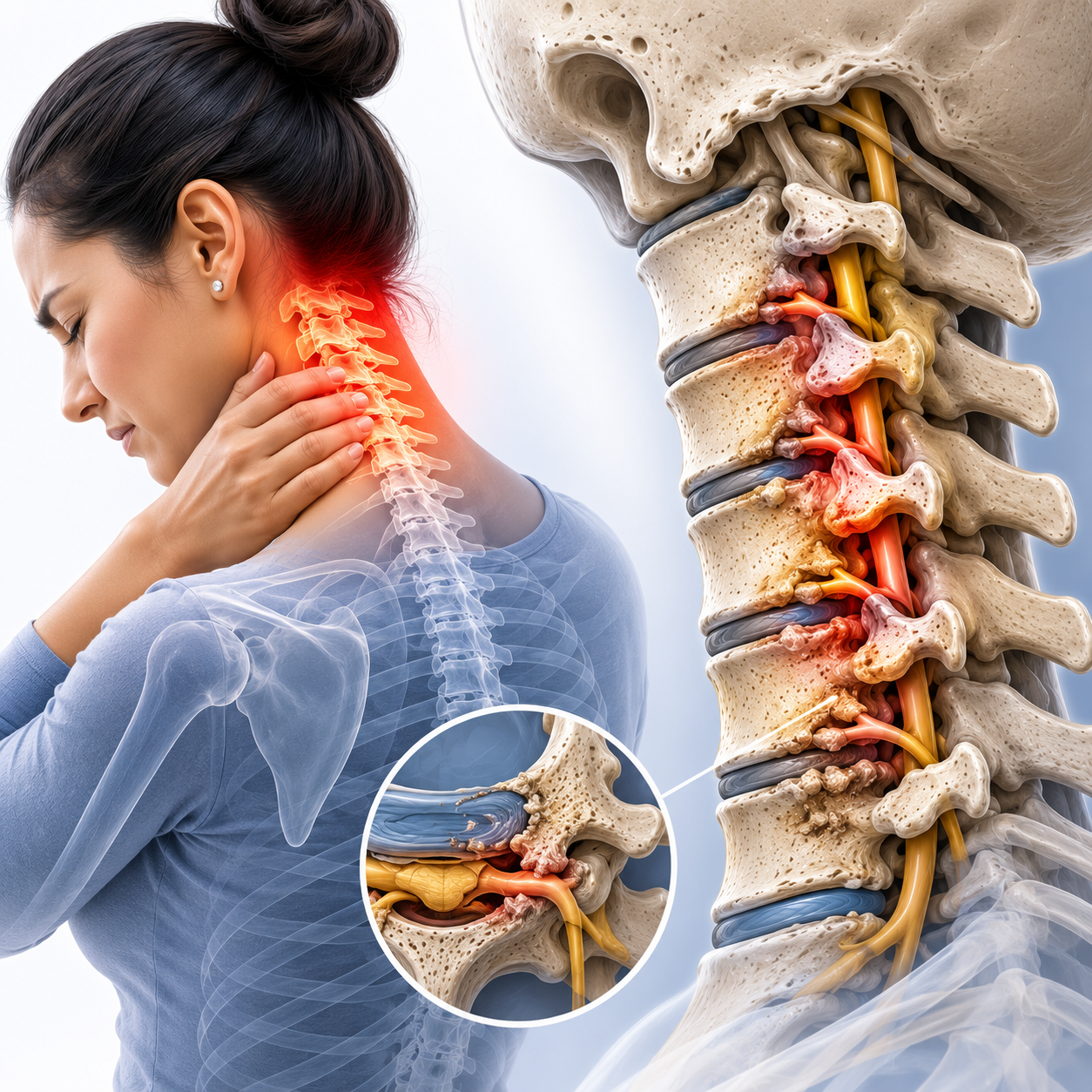
Stay informed with our latest updates, posts, announcements, and healthcare news
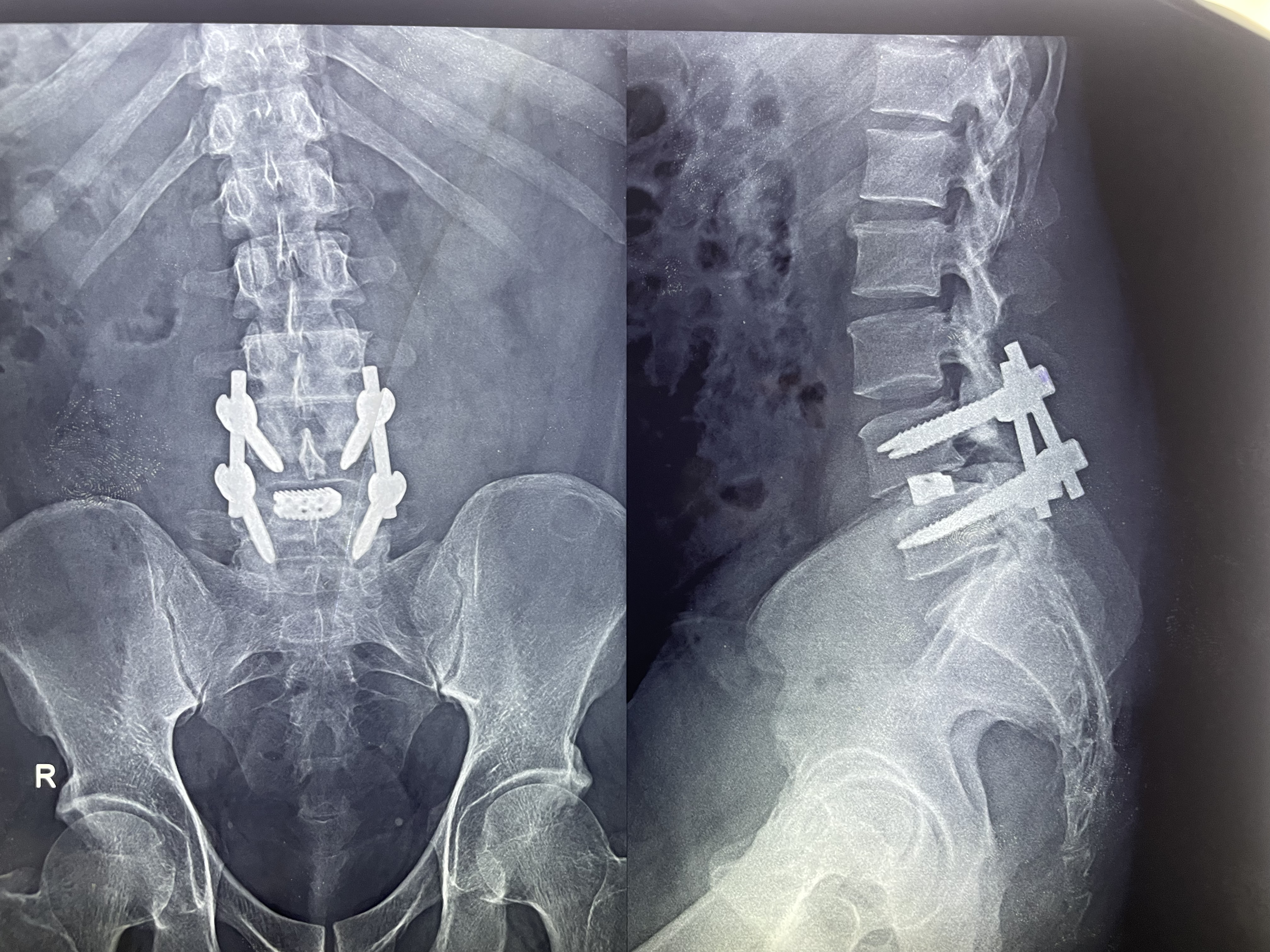
A banana cage is an implant used in TLIF surgery to support and stabilize the sp...See More
Sep 28, 2026
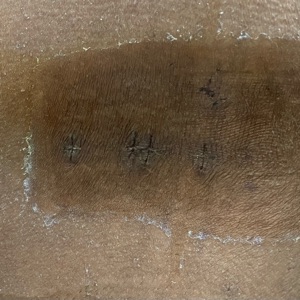
For **UBE spine discectomy**, skin incisions are typically: - **Two small stab ...See More
Jul 09, 2026
A “slip disc” usually means a **herniated/prolapsed disc**. You can say someone ...See More
Jul 08, 2026
Orthopedic Surgeon, Spine Surgeon
What our Patients says about us
My mother was suffering from legs pain since years and back pain before spine surgery after surgery she recovered very fast Tq so much Sai Charan sir

Thank u so much sir . U have been saved our father-in- law's life. He is suffering from severe cervical myelopathy. After surgery his condition is good now. Tq for taking time to explain everything wth us patiency. I really appreciate u are a brilliant n talented doctor. Your dedication to healing is a truely inspiration for everyone.
My father recently underwent spine surgery under the care of Dr. V. Sai Charan sir. We are extremely grateful for his excellent treatment and dedicated care. Sir explained the procedure clearly, handled the surgery with great expertise, and took very good care of my father throughout the recovery process. His professionalism, patience, and supportive attitude gave us a lot of confidence. Thank you, sir, for your commitment and compassionate care
Our Latest Videos

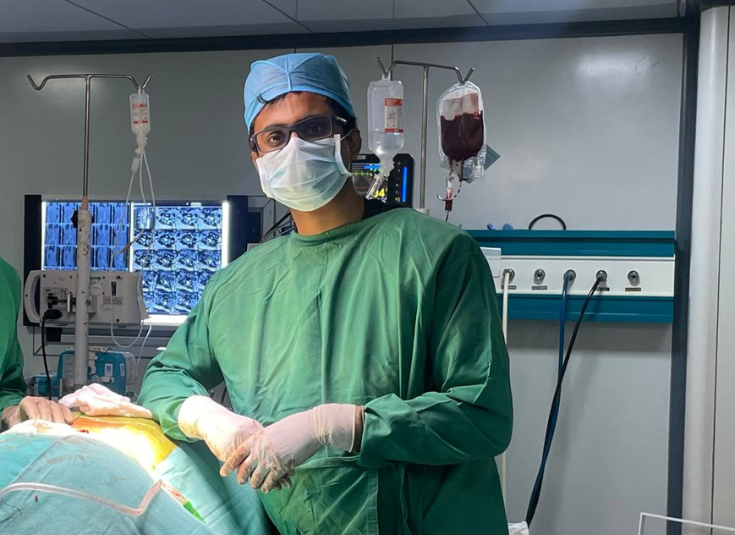

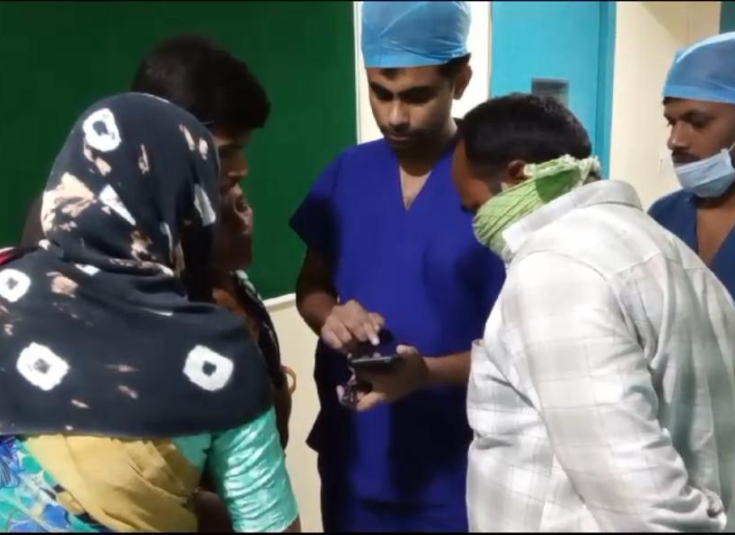
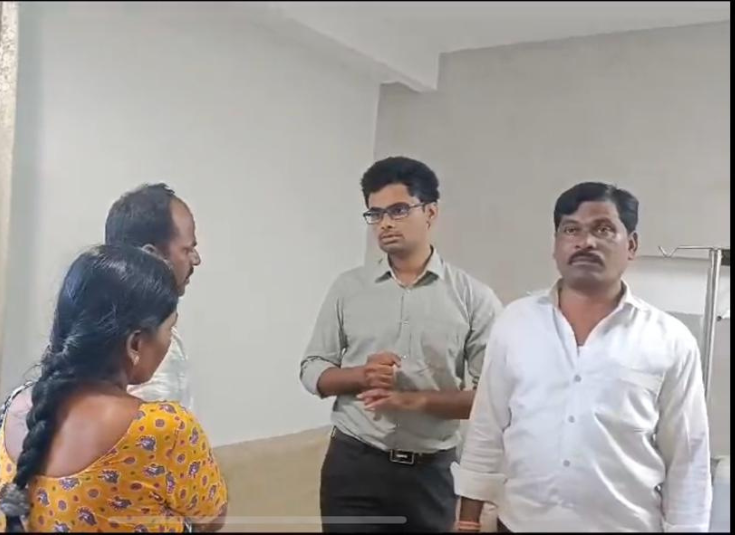
Need Answers? Find them here...
A: Rehabilitation is crucial in recovery from spine surgery, aiming to restore function, mobility, and strength. It involves personalized physical therapy programs to address specific needs, focusing on exercises that enhance joint movement, muscle strength, and balance. Rehabilitation is a gradual process requiring patient commitment to improve surgical outcomes and quality of life. Early and consistent participation in rehab can significantly contribute to a successful recovery and prevent future complications.
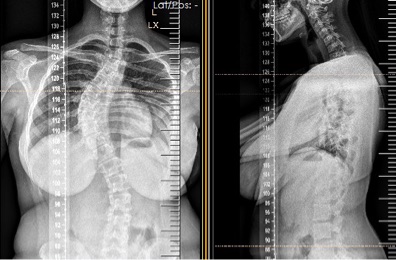
Scoliosis is diagnosed through physical examination and imaging tests, such as X-rays, to assess spinal curvature. Treatment depends on severity and includes observation, bracing, or surgery. Mild cases may require periodic monitoring, while moderate to severe cases might need bracing to prevent curve progression. Surgery, typically spinal fusion, is considered when the curvature is significant or affects function. Early diagnosis and intervention can prevent complications and improve outcomes.
Spine surgery success rates vary depending on the condition treated, surgical method, and patient factors. Many patients experience significant pain relief and improved mobility post-surgery, enhancing their quality of life. Success is often reported in procedures like decompression for spinal stenosis or fusion for instability issues. Patients' adherence to postoperative care and rehabilitation strongly influences recovery and outcomes, contributing to high satisfaction rates for various spine procedures.
Minimally invasive spine surgery offers several benefits compared to traditional spine surgery methods. With smaller incisions, there's less tissue damage, resulting in reduced pain, quicker recovery times, and lower infection risks. Patients often experience less postoperative discomfort, shorter hospital stays, and a faster return to normal activities. Additionally, these techniques typically involve less blood loss during surgery and may provide similar or improved outcomes compared to open surgery.
Lower limb reconstruction surgeries involve correcting deformities, lengthening limbs, or repairing severe fractures in the legs. The Ilizarov technique is a popular method that uses a circular external fixator to gradually stretch bones and tissues, promoting new growth. This approach is often employed for cases of limb length discrepancies, complex fractures, or bone infections. The process is meticulous and requires both surgical precision and patient compliance for successful outcomes.
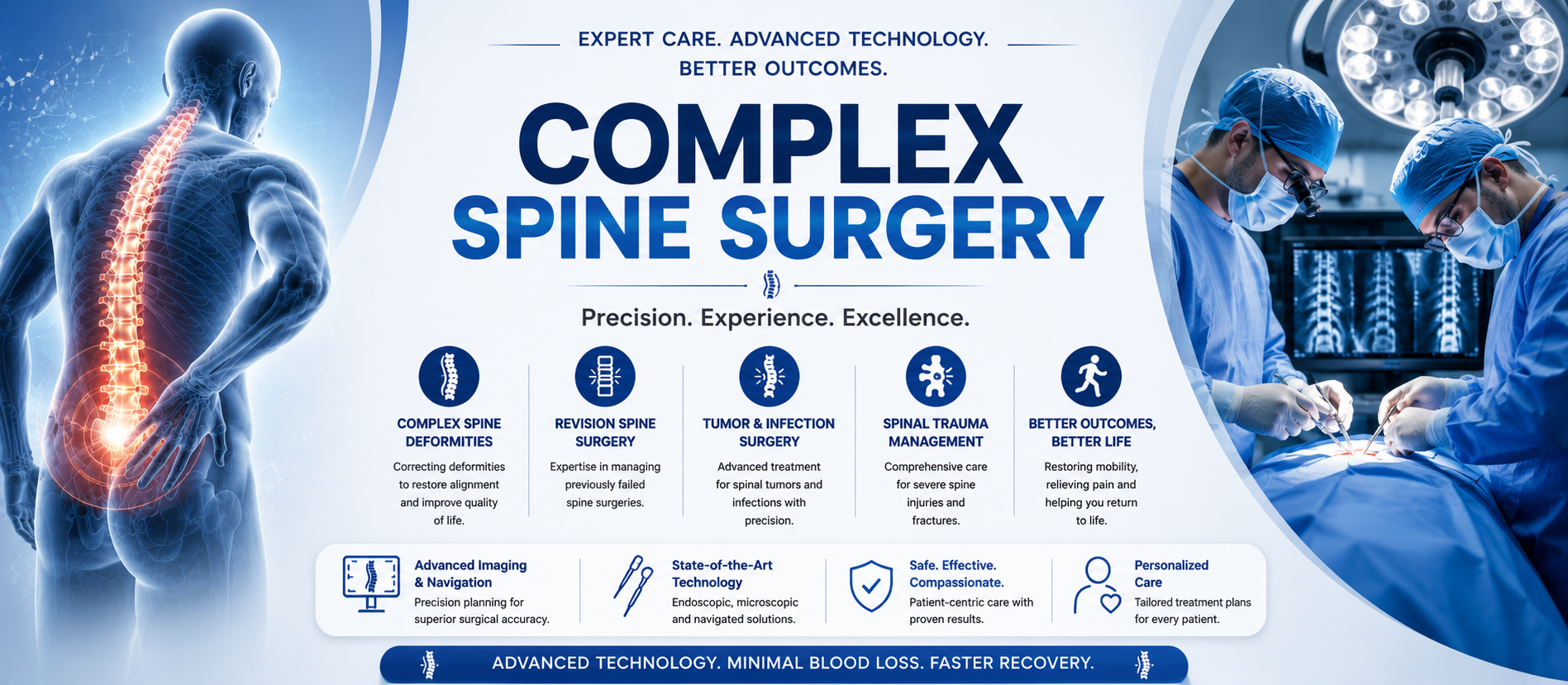
Deformity correction for scoliosis and kyphosis involves surgical procedures to straighten the spine and improve posture. These conditions are characterized by abnormal curvatures of the spine, which can cause pain, breathing difficulties, and mobility issues. Surgical methods often involve spinal fusion, where curved vertebrae are realigned and fused together using rods, screws, and bone grafts. This surgery can enhance appearance, reduce pain, and improve quality of life.
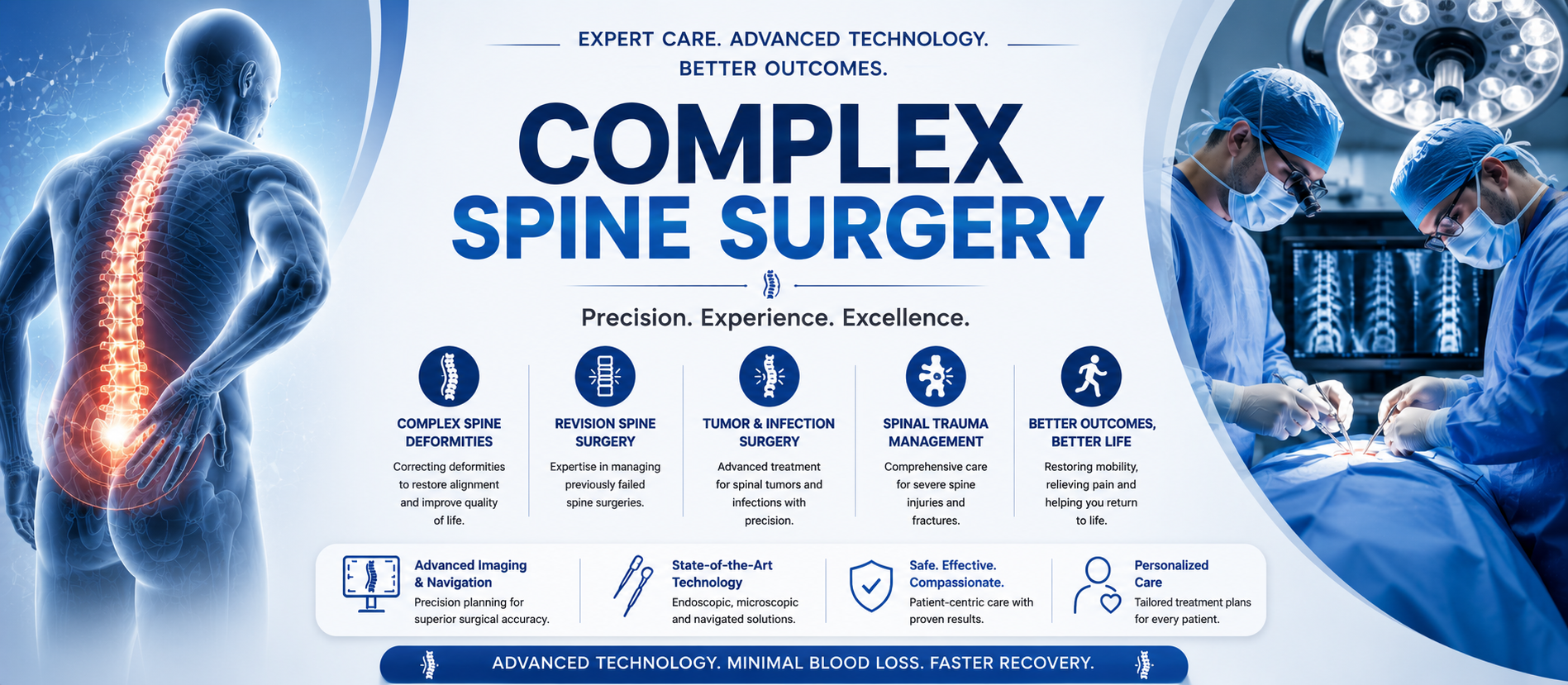
Spine surgery involves various procedures to treat spinal disorders. It can address conditions like herniated discs, spinal stenosis, scoliosis, fractures, and tumors. Spine surgery aims to alleviate pain, restore function, and prevent further degeneration or deformity. Depending on the condition, it might involve fusion, decompression, or other specialized techniques. Successful outcomes depend on the specific procedure, the surgeon’s skill, and patient factors.
Minimally invasive spine surgery (MISS) is a technique that uses smaller incisions than traditional spine surgery, resulting in less damage to muscles and tissues. This approach can lead to shorter recovery times and less postoperative pain. It is often used to treat conditions such as herniated discs, spinal stenosis, and degenerative disc disease. Surgeons use special tools and techniques to perform the surgery with the aid of advanced imaging technology.
A: Dr. V Sai Charan holds an MBBS from Osmania Medical College and has completed his MS Orthopedics and DNB Orthopedics at the prestigious Nizams Institute of Medical Sciences, Hyderabad. He further specialized in spine surgery with an FNB from Sakra World Hospital, Bangalore. With significant experience working under eminent neurosurgeon Dr. Satish Rudrappa, Dr. Charan excels in minimally invasive procedures and complex spine and joint replacement surgeries, with a mission to enhance patients' mobility and quality of life.
A: Dr. V Sai Charan is a skilled Spine Surgeon based in Hyderabad, renowned for his extensive training in minimally invasive spine surgery, orthopedic trauma, and spinal deformity correction. With advanced expertise in microscopic and tubular discectomies, as well as navigation-assisted spine surgeries, Dr. Charan addresses complex spinal conditions with precision. His experience also includes arthroscopy, arthroplasty, and Ilizarov reconstructions, ensuring comprehensive care for orthopedic and spine health.
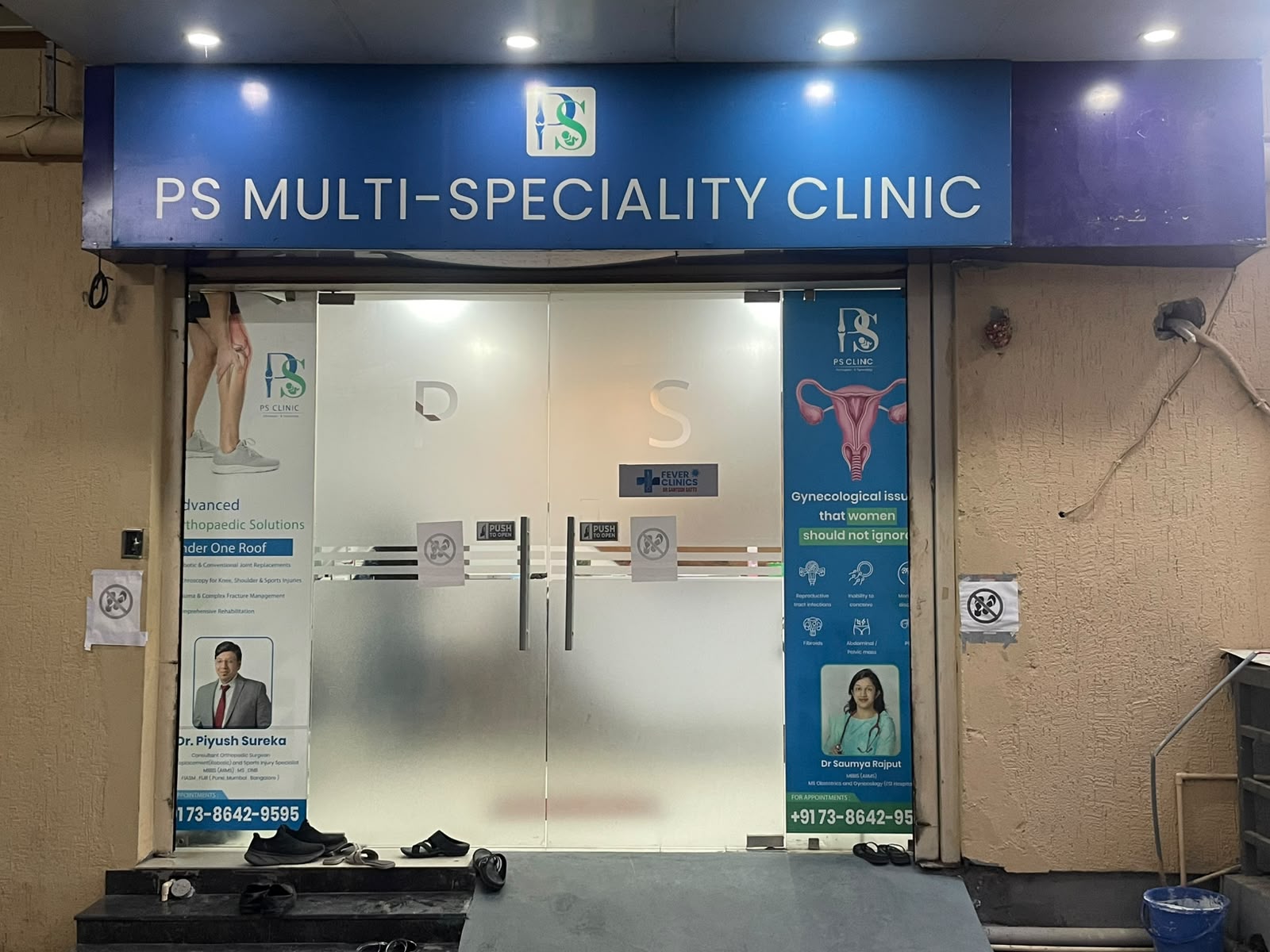
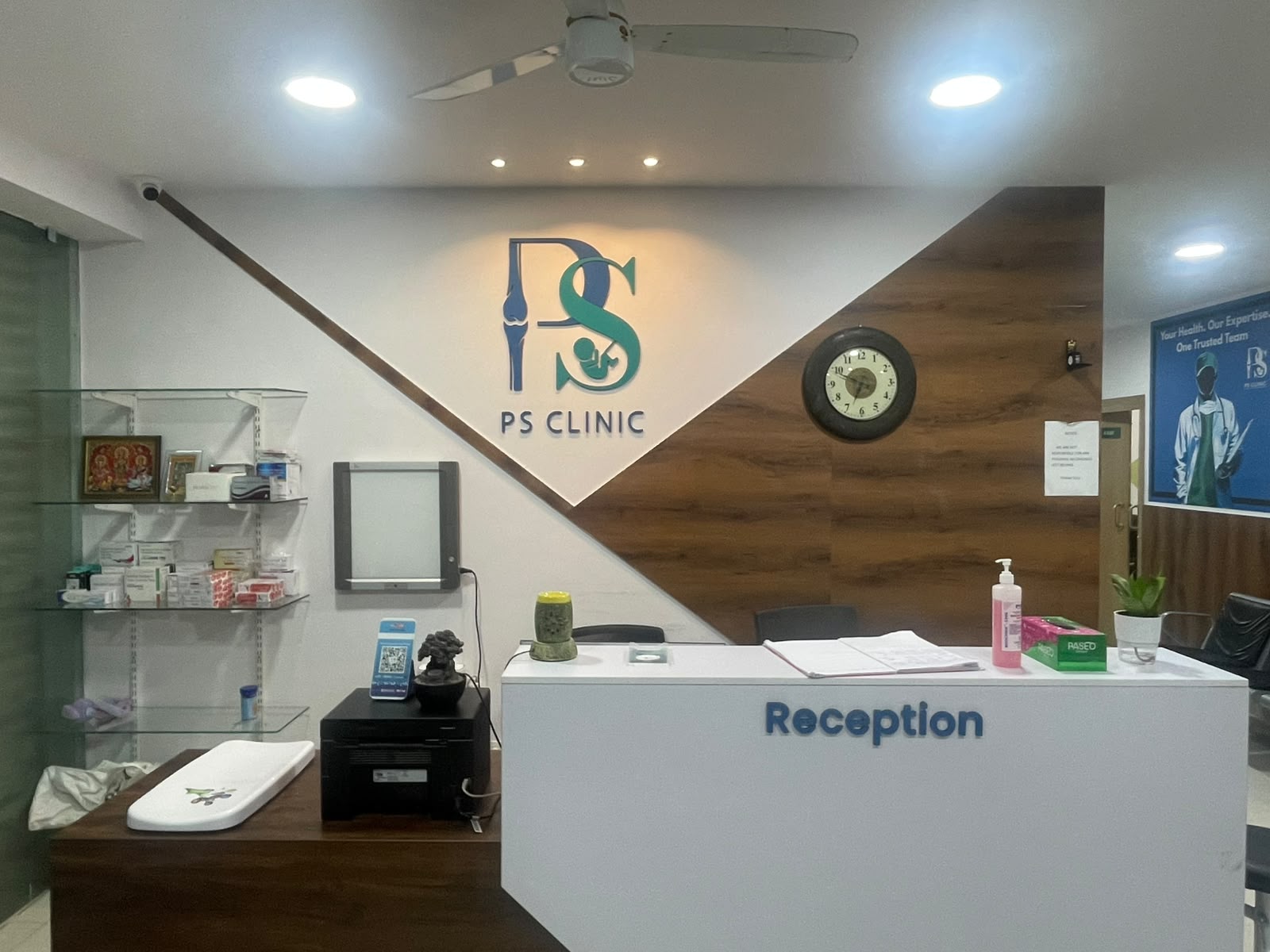
 Address :PS Clinic - Ground Floor, Sri Mytri Square, opposite Sarath City Capital Mall, Kondapur, Laxmi Cyber City, Whitefields, Kondapur, Hyderabad 500084, Telangana